

Virtual Assistants for Subcontractors: What to Delegate
How subcontractors use virtual assistants: bid follow-up to GCs, COIs and compliance, schedule coordination, and progress billing.
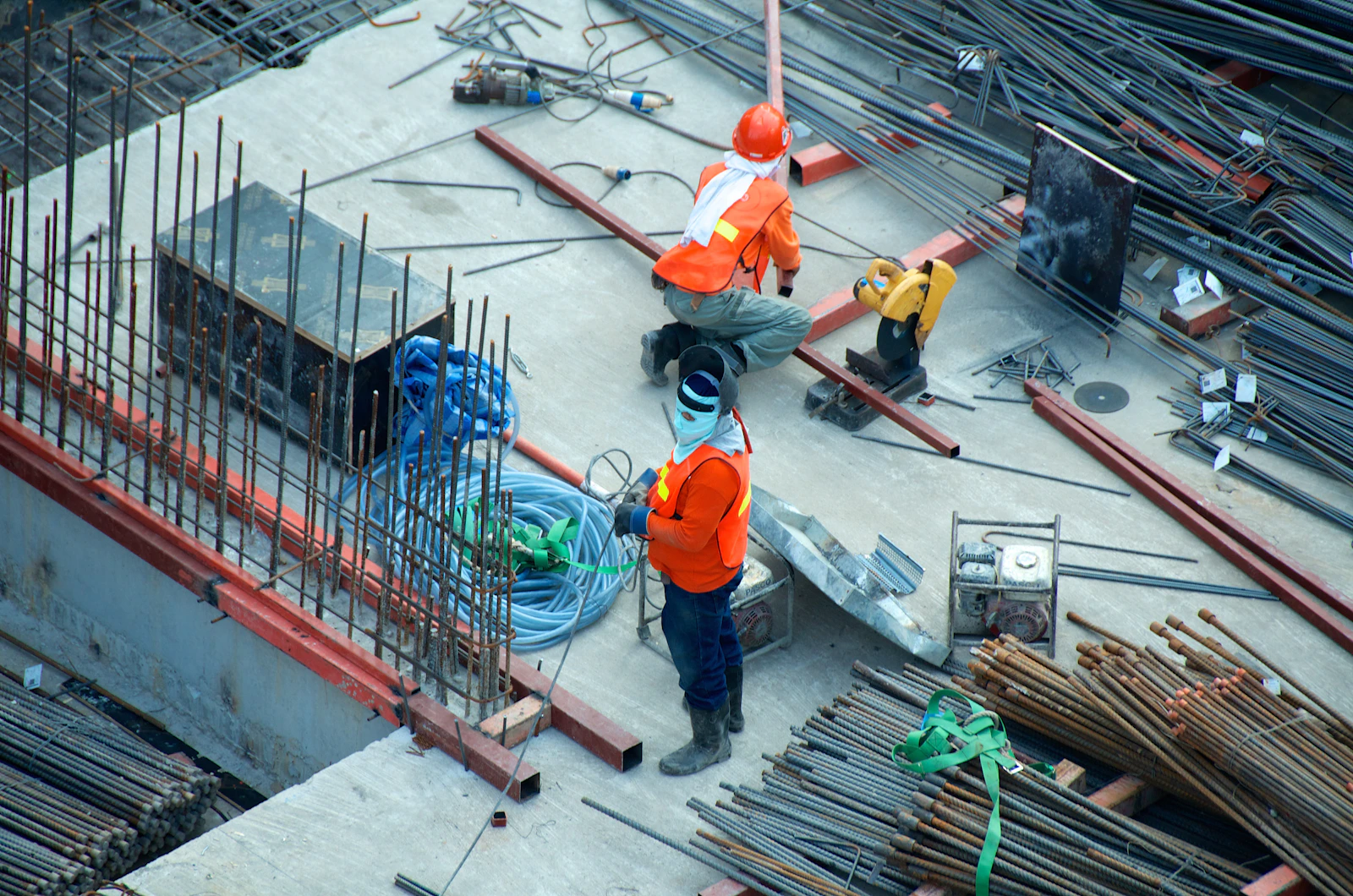
A virtual assistant for a subcontractor handles the admin that piles up when you're bidding to multiple GCs and running crews across several jobs: bid follow-up, insurance and compliance documents, schedule coordination, progress billing, and collections. Subs face a specific squeeze, you're often an owner-operator or a lean team where the same person who runs the crew also chases the paperwork, and the paperwork always loses. A construction-trained VA takes that load off so the field work and the cash flow both stay on track.
Here's where a VA saves subcontractors the most time.
The subcontractor admin squeeze
Subs operate differently from GCs. You're frequently bidding the same scope to many general contractors at once, each with their own bid forms, deadlines, and document requirements. You're juggling crew schedules across multiple active jobs. And your cash flow is tight, because you're often waiting on progress payments and retention from GCs who pay slowly. The admin behind all of that, bid forms, COIs, schedules, billing, lien waivers, lands on whoever's running the business, usually the owner, at night, after the field work is done.
That's the squeeze: the admin is the difference between getting paid and chasing payment, but the people who could do it are the ones swinging hammers.
What a subcontractor should delegate
| Lane | What the VA handles |
|---|---|
| Bid follow-up | Tracking ITBs from GCs, submitting bids, following up |
| Compliance docs | COIs, W-9s, prequalification packages, licenses |
| Schedule coordination | Confirming start dates and crew schedules with GCs |
| Progress billing | Preparing pay applications, AIA forms, lien waivers |
| Collections | Following up on slow payments and retention |
| Document submission | Getting required docs to each GC's system |
Bidding to multiple GCs
A VA tracks every ITB you're pursuing, manages the different GC bid forms and deadlines, and follows up after submission. When you're bidding the same scope to five GCs, that coordination is exactly what slips, and a missed deadline is a lost job. This is the bid coordination lane sized for subs.
Insurance, compliance, and prequalification
Every GC wants COIs, W-9s, and prequalification packages, and they want them in their format, on their timeline. Chasing your insurance agent for an updated COI and uploading documents to each GC's portal is pure administrative friction. A VA owns it so a missing certificate never holds up your start.
Progress billing and collections
This is where it hits the bank account. A VA prepares your pay applications and AIA forms, tracks lien waivers, and follows up on slow payments and retention. Subs lose real money to billing that goes out late and collections that nobody chases. Tightening that cycle is often the single highest-value thing a VA does for a sub, and it pairs with bookkeeping and AP/AR support.
What subcontractors should keep in-house
- Field execution and crew management stay with you.
- Pricing and bid decisions stay with the owner or estimator.
- GC relationships stay with your team.
- Scope and quality calls stay in the field.
The VA handles the paperwork around the work, not the work or the relationships.
Why a VA fits the subcontractor model
Most subs can't justify a full-time office administrator, the workload is real but not quite 40 hours, and it's spiky around bid deadlines and billing cycles. That's the exact situation where a VA wins over an in-house hire: construction-trained support scaled to your actual workload, without a full salary and benefits. It's the VA versus in-house math, and it fits the lean sub perfectly.
A typical week for a subcontractor's VA
For a sub, the VA's week tracks the money. They start by checking which GCs have outstanding bids and following up on each, then handle any new ITBs that came in, logging deadlines and document requirements. They keep your COIs and compliance documents current and submitted to each GC's system, so a missing certificate never delays a start. Midweek they confirm crew schedules and start dates with the GCs you're working under, heading off the conflicts that waste a crew's day.
The biggest push is billing. The VA prepares your progress billings and pay applications, gets them out on time, tracks the lien waivers tied to each, and follows up on anything aging in receivables, including retention. By the end of the week you know exactly what's been billed, what's been collected, and what's still owed. For a lean sub, that visibility and that consistent billing cadence are often worth more than every other admin task combined, because they decide whether your bank account survives the gap between paying your crew and getting paid.
When is it time?
You're ready when you're doing pay applications at 9 PM, when COIs or bid forms have cost you a job or a start date, or when slow collections are straining your cash flow because nobody has time to chase. For a sub, the admin isn't just annoying, it's directly tied to whether and when you get paid. That's the ROI case for a construction VA in its clearest form.
The bottom line
Subcontractors get squeezed by admin that ties directly to cash flow: bidding to multiple GCs, compliance documents, schedule coordination, and progress billing. A construction VA owns that load so your bids get followed up, your COIs are never the holdup, and your billing goes out on time. For a lean sub, that's the difference between chasing payment and getting paid.
If the paperwork is eating your nights, tell us about your workload and we'll map the construction virtual assistance that fits a subcontractor. On the other side of the table, virtual assistants for general contractors carry a different mix of bid coordination and project admin.

Written by
Kenneth Muriuki
Construction PM & Construction Tech Expert
Kenneth is a construction project manager and construction technology expert who specializes in JobTread implementation, with experience helping contractors improve project delivery, system configuration, reporting, and operational visibility. He writes about practical construction technology, workflow design, and the operating disciplines that help teams deliver work consistently.
More articles
Construction Virtual Assistant Agency: How the Model Works
What a construction virtual assistant agency is, how the agency model works, and how it compares to hiring a freelancer or building an in-house admin team.
ReadWhat Is a Construction Virtual Assistant?
What a construction virtual assistant does, what a construction virtual assistance agency is, and how to decide which one actually fits your team and budget.
ReadVirtual Assistant for Electrical Contractors
A virtual assistant for electrical contractors handles permits, dispatch, scheduling, and estimate follow-up so your electricians stay billable in the field.
Read